
Weird French Food: 12 Strangest Foods in France
The strangest foods in France are mostly traditional dishes made from parts of animals many visitors never eat at home: calf’s head (tête de veau), tripe, sweetbreads, blood sausage, pig’s trotters, snails and frog legs. To the French they are not weird at all; they are classic bistro and family cooking, and many are genuinely delicious when well prepared.
Here are 12 of the most surprising French foods, what they actually are, how they are served and where in Paris you can try them. If you would rather start with the greatest hits, see our guide to traditional French dishes.
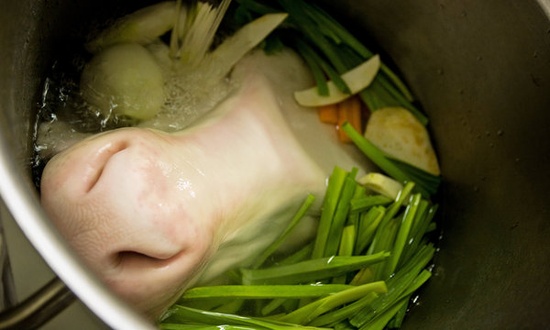
1. Tête de Veau (Calf’s Head)
Tête de veau is the dish that most surprises visitors. It is not a whole head on a plate: the meat and skin from the calf’s head are rolled, simmered for hours and served in slices, usually with the tongue, boiled vegetables and a tangy sauce gribiche or ravigote made with herbs, capers and egg. The texture is soft and gelatinous. It was famously a favorite of former president Jacques Chirac, and you will still find it on the menus of traditional brasseries and bistros.
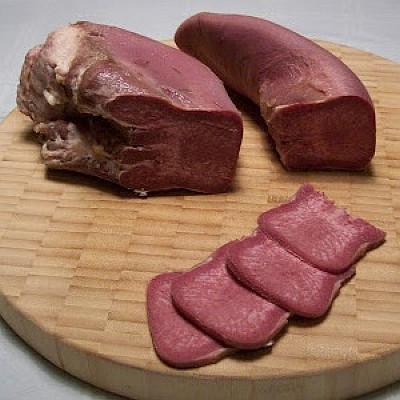
2. Langue (Tongue)
Beef and veal tongue is braised or poached until tender and served in slices, often with a sharp caper or mustard sauce. The most luxurious version is langue Lucullus, a specialty from Valenciennes in northern France, where thin slices of smoked beef tongue are layered with foie gras. Classic Paris bistros such as Benoit have been known to serve it.
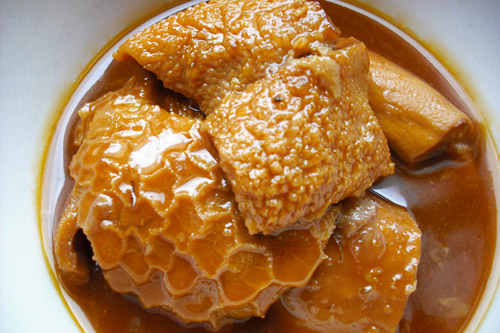
3. Tripes (Tripe)
Tripe is the lining of a cow’s stomach. The best-known French version is tripes à la mode de Caen from Normandy, slowly cooked with cider or Calvados, vegetables and a cow’s foot, and often served with boiled potatoes. In Lyon, tablier de sapeur is tripe that is marinated, breaded and fried. Tripe needs careful cleaning and long cooking, so order it somewhere that specializes in it.
4. Andouillette
Andouillette is a coarse sausage made from pork intestines (chitterlings), often grilled and served with mustard sauce and fries. It has a strong, farmyard aroma that divides even French diners. Troyes, Lyon and Cambrai are famous for their versions, and there is even an association of enthusiasts, known as the AAAAA, that awards a seal of quality to the best producers. Try it once if you are curious, but know what you are ordering.
5. Ris de Veau (Sweetbreads)
Despite the name, sweetbreads are neither sweet nor bread. Ris de veau are the thymus glands of a calf, prized for their mild flavor and creamy texture. They are usually pan-fried until crisp outside and served with a rich sauce, mushrooms or morels. Because they are expensive and delicate, you will mostly see them in upscale bistros and fine-dining restaurants.
6. Rognons (Kidneys)
Veal kidneys, rognons de veau, are a bistro classic, typically sliced and sautéed in a creamy mustard sauce (rognons à la moutarde). Cooked quickly and served slightly pink, they are tender with a distinctive, slightly mineral taste.
7. Boudin Noir (Blood Sausage)
Boudin noir is a sausage made with pork blood and fat, often with onions and spices. Similar to British and Irish black pudding, it is usually pan-fried and served with apples cooked in butter and mashed or sautéed potatoes. It is especially popular in winter and around Christmas, when butchers sell several regional varieties. Its pale cousin, boudin blanc, is made with white meat and milk and contains no blood.
8. Pieds de Cochon and Other Pig Parts
French cooking uses the whole pig. Pieds de cochon (pig’s trotters) are cooked slowly, then breaded and grilled; you may also see pig’s ears, snout and cheek (joue de porc), the last of which is tender and much less intimidating than it sounds. The best place in Paris for the full experience is Au Pied de Cochon, a brasserie in the Les Halles area that has been serving pork dishes since 1947 and is famous for its late opening hours.
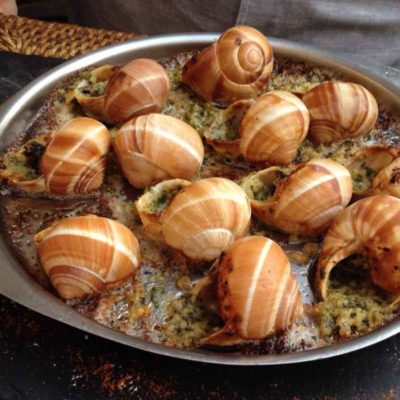
9. Escargots (Snails)
Snails are one of France’s most famous foods. The classic escargots de Bourgogne are baked in their shells with garlic, parsley and butter, served by the half-dozen or dozen with special tongs and a small fork. Some restaurants serve them out of the shell in small dishes. The texture is a little chewy, like a mussel, and the real treat is mopping up the garlic butter with bread, which is perfectly acceptable here. L’Escargot Montorgueil, a Paris institution since the 19th century, is a classic place to try them.
10. Cuisses de Grenouille (Frog Legs)
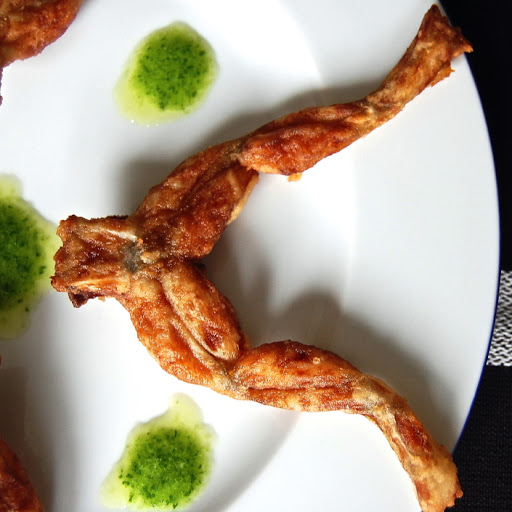
Frog legs are usually sautéed with garlic, butter and parsley. The meat is delicate and mild, and yes, it is often compared to chicken. They are less common on Paris menus than their reputation suggests, and most frog legs eaten in France today are imported, but you can still find them in traditional bistros and in regions such as the Dombes, near Lyon.
11. Bulots (Whelks)
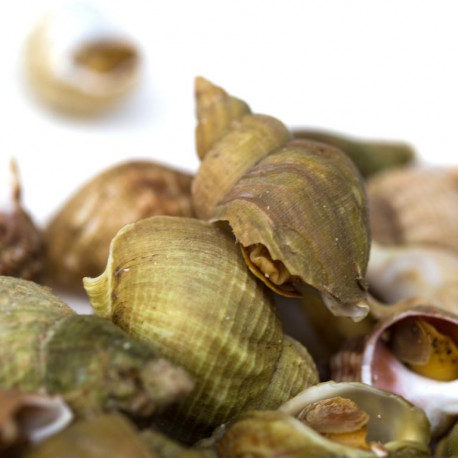
These spiral-shelled sea snails appear on almost every French seafood platter (plateau de fruits de mer), next to oysters, shrimp and crab. They are served cold, usually with mayonnaise, and you pull them out of the shell with a small pick. In English they are called whelks; the smaller, darker shells you may also see are bigorneaux, or periwinkles. The texture is firm and slightly rubbery.
12. Pigeon, Partridge and Guinea Fowl
Small birds that rarely appear on menus in the US are common in French cooking. Roast pigeon (farm-raised, not from city streets) is a fine-dining favorite, often served pink. Partridge (perdrix) appears during the autumn hunting season, and guinea fowl (pintade) is a popular festive alternative to turkey or chicken. They are not strange so much as unfamiliar, with a richer, gamier flavor than chicken.
Where to Try Weird French Food in Paris
Traditional brasseries and bistros are your best bet. Places that have long been known for these dishes include:
- Au Pied de Cochon (Les Halles): pig’s trotters and many other pork dishes, plus onion soup and seafood.
- L’Escargot Montorgueil (Les Halles): snails in many styles, plus other bistro classics.
- Benoit (near the Hôtel de Ville): a historic, upscale bistro serving traditional French dishes.
- Le Vaudeville (near the Bourse): a classic Paris brasserie with a traditional menu.
- Le Rubis (near the Louvre): an old-school wine bar with hearty bistro food.
- L’Ambassade d’Auvergne (Marais): rustic cooking from the Auvergne region.
Menus change with the seasons and with chefs, so check before you go if you are after a specific dish. For tips on ordering and table manners, read our guide to eating out in Paris.
Tips for Adventurous Eaters
- Look for the words abats (offal) or tripes on menus, and ask the server for a recommendation.
- Try a small portion first: a starter of snails or a shared plate of sweetbreads is less of a commitment than a full plate of andouillette.
- Order these dishes in places that specialize in traditional cooking, where they are prepared every day.
- Pair rich dishes with a glass of local red wine or cider and a crisp salad.
- For a broader overview of regional specialties, see what to eat in France.
Summary
France’s strangest foods, from calf’s head and tripe to andouillette, sweetbreads, snails, frog legs and whelks, are really traditional dishes that make the most of every part of the animal. They are part of everyday French food culture, and many are delicious. If you are feeling brave on your trip, choose a classic bistro, order one dish that is new to you, and enjoy the adventure.
