How to Make a Travel First Aid Kit
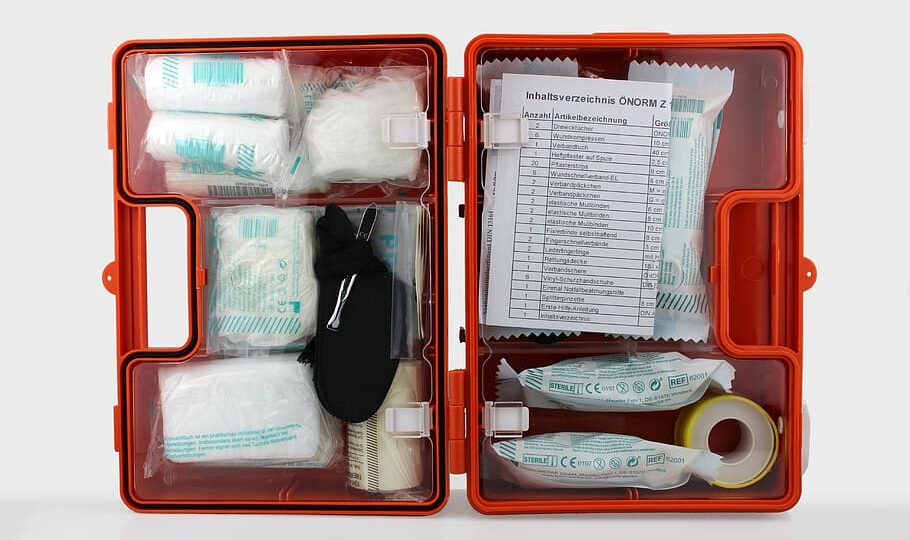
To make a travel first aid kit, put a small set of essentials in a light, transparent box: sterile gauze, medical tape, cut-to-size plasters, blister plasters, antiseptic wipes and cream, a pain reliever, hydrocortisone cream, tweezers or safety pins, and gloves. Add any personal medication and a few extras for your destination. The whole kit can fit in a daypack and costs much less than many ready-made kits.
Many travelers skip a first aid kit to save space or money. Yet a small, well-chosen kit gives you peace of mind and can stop a minor cut, blister or headache from ruining a day. This guide shows you what to pack, how to choose a container and when a pre-packed kit makes more sense.
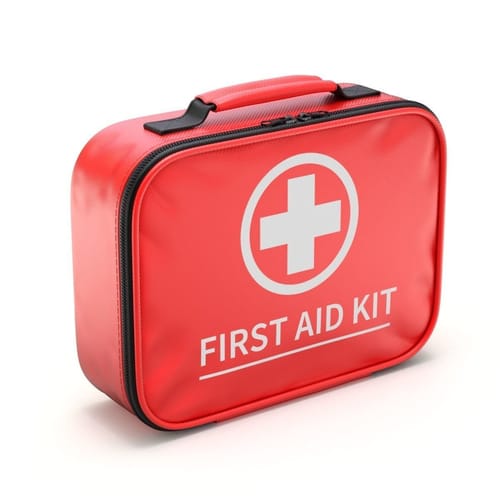
This is a basic kit for everyday mishaps, not a field hospital. For serious injuries, get medical help: in France and the rest of the EU, call 112, or 15 for the French emergency medical service (SAMU).
Travel First Aid Kit Checklist
Wound care
- Sterile gauze pads: two padded, sterile 10 x 10 cm squares can be cut to size for cuts and scrapes too big for a plaster. Keep unused pieces in a small zip-top bag so they stay clean. Sterile gauze pads
- Medical tape: a small roll of 3–4 cm fabric tape holds gauze in place or secures a larger improvised dressing. Duct tape works in a pinch but loses its grip faster. Fabric medical tape
- Cut-your-own plaster strips: a couple of 10 x 20 cm strips replace a bulky assortment of different-sized bandages. Plaster strips
- Antiseptic wipes: almost weightless and ideal for cleaning a wound before covering it. Clean bottled water also works. Antiseptic wipes
- Antiseptic cream: a small tube for treating minor cuts and grazes. Antiseptic cream
- Blister plasters: essential for city trips where you walk all day on cobblestones, as in Paris or Lyon.
Medication
- Pain and fever relief: a strip of acetaminophen (Tylenol), known as paracetamol in Europe, and a strip of ibuprofen. Follow the dosage on the label, and check with a doctor or pharmacist if you have health conditions or take other medicines.
- Hydrocortisone cream: soothes itchy insect bites, stings and minor rashes. This pack comes in three small tubes, which are easier to carry.
- Antihistamine tablets: for allergic reactions, hay fever or bites.
- Anti-diarrhea medicine and oral rehydration salts: useful anywhere new food and water upset your stomach.
- Your personal prescriptions: pack enough for the whole trip plus a few days, in their original packaging, with a copy of the prescription.
Tools and extras
- Safety pins: for fastening a sling or bandage and, once sterilized in boiling water or a flame, for removing splinters. Safety pins
- Disposable gloves: they weigh almost nothing and protect both you and the person you help. Choose nitrile if you or others may be allergic to latex. Disposable gloves
- Tiger Balm: a small jar soothes sore muscles after a long hike or a day of sightseeing. Tiger Balm
- Tweezers and small scissors: if you don’t already carry a multi-tool. Pack sharp items in checked luggage when you fly.
- Insect repellent and sunscreen: prevention is the best first aid, especially in summer in the south of France or in tropical destinations.
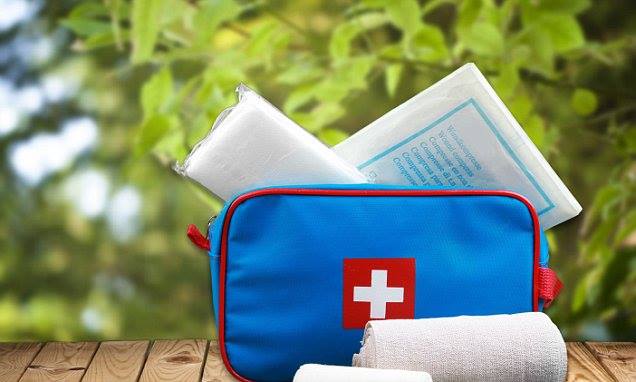
Sterile needles and syringes (remote destinations only)
If you’re heading to remote areas where medical supplies may be limited, some travel doctors recommend a sealed sterile kit with a couple of needles and a syringe, so local staff can use your clean supplies if needed. Carry it with a letter from your doctor explaining what it is for, to avoid problems at security or border checks. You won’t need this in France or other countries with good health care.
Choosing a Container
A small plastic food box is cheap, light and durable. Keep these points in mind:
- Choose a box just big enough for the contents. If it’s too big, things rattle around and you’ll be tempted to stash other items in it, so you end up digging for a plaster when you need one fast.
- Pick a transparent box. You can see what’s inside at a glance, and so can security staff, which makes inspections quicker.
- Match the shape to your bag. A shallow, wide box usually gives easier access and fits better in a backpack or daypack.
A zippered pouch works too, but a hard box protects sealed items better.
Improvise When You Need To
If something isn’t in your kit, look around you. Many everyday items make good substitutes:
| You need | Improvise with |
|---|---|
| Eyewash | Clean bottled water |
| Sling | Scarf, sarong or towel |
| Bandage or dressing | Clean T-shirt or sarong |
| Splint | Rolled magazine or a sturdy stick |
| Tubular bandage | A sock with the end cut off |
Or Buy a Ready-Made Kit
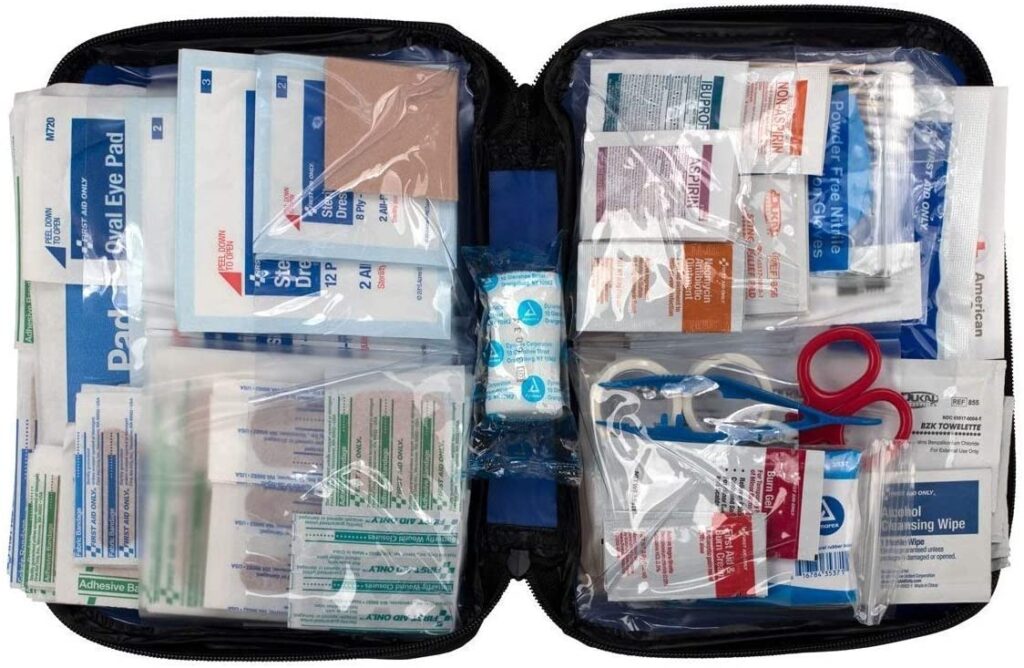
If you don’t want to build your own, there are many pre-packed travel first aid kits on Amazon. They can work out cheaper than buying a full pack of every item when you only need a few of each. Check the contents, then add your own medication, blister plasters and anything specific to your trip. See ready-made kits on Amazon
Tips for Travel in France and Europe
- Pharmacies are easy to find. Look for the green cross. French pharmacists can advise on minor ailments and sell many common medicines, though some products available over the counter in the US require a prescription in France, and vice versa.
- Know the emergency numbers. 112 works across the EU; in France, 15 reaches the medical emergency service.
- Check your health coverage. EU travelers should carry their European Health Insurance Card (UK travelers a GHIC); others should have travel insurance that covers medical care.
- Check medication rules. Some medicines are controlled in certain countries. Keep them in original packaging with your prescription.
For more packing advice, see what to pack when visiting Paris or France for the first time and our guide on whether you can carry a pocket knife in France.
Learn Basic First Aid
The most useful thing you can bring weighs nothing: knowledge. A short first aid course teaches you how to deal with bleeding, burns, choking and other common emergencies, and it’s useful at home as well as on the road.
Summary
A good travel first aid kit is small, light and tailored to your trip. Pack wound-care basics, a few key medicines, blister plasters, safety pins and gloves in a transparent box that fits your daypack, and carry it with you when you head out for the day, not back at your hotel. Add your prescriptions, know the local emergency numbers and remember that pharmacies in France are an excellent first stop for minor problems. For general safety advice, read is Paris safe?
