
Is Saint-Malo Worth Visiting?
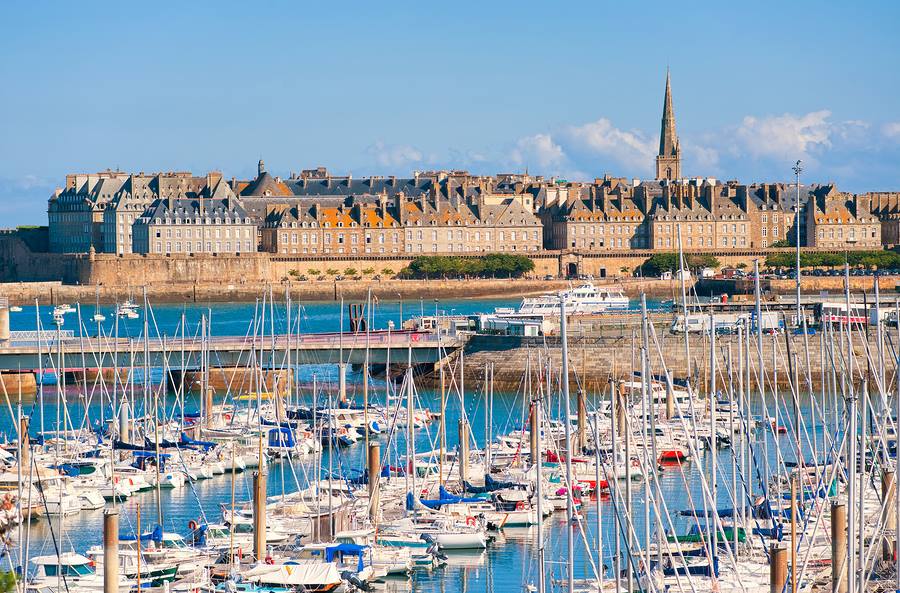
Yes, Saint-Malo is well worth visiting. The walled old town (intra-muros) sits on the sea, ringed by ramparts you can walk all the way around, with tidal islands, forts and wide sandy beaches right below. Add excellent seafood and crêpes, easy day trips to Mont-Saint-Michel, Dinard, Dinan and Cancale, and it is one of the most rewarding stops in Brittany.
It is best for history lovers, families, food lovers and anyone who enjoys dramatic coastal scenery. The main drawbacks are summer crowds and changeable weather. Plan on at least one full day, and ideally two or three if you want to use the town as a base.
Saint-Malo at a Glance
| Pros | Cons |
|---|---|
| Walkable walled old town with ramparts and sea views | Very busy in July, August and on holiday weekends |
| Huge tides, tidal islands and forts you can walk to | Weather can be cool, windy and wet even in summer |
| Long sandy beaches next to the old town | Parking inside the walls is very limited |
| Great seafood, crêpes and Breton butter | The old town is largely a postwar reconstruction |
| Good base for Mont-Saint-Michel, Dinard, Dinan and Cancale | Hotels inside the walls book up early |
Reasons Saint-Malo Is Worth Visiting
Walk the Ramparts
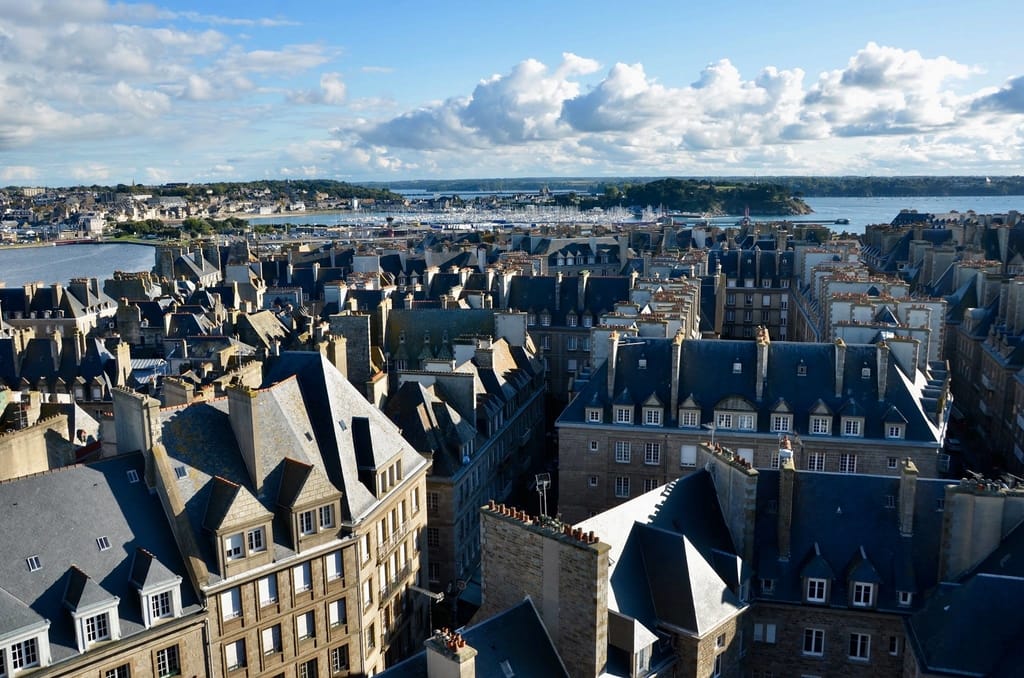
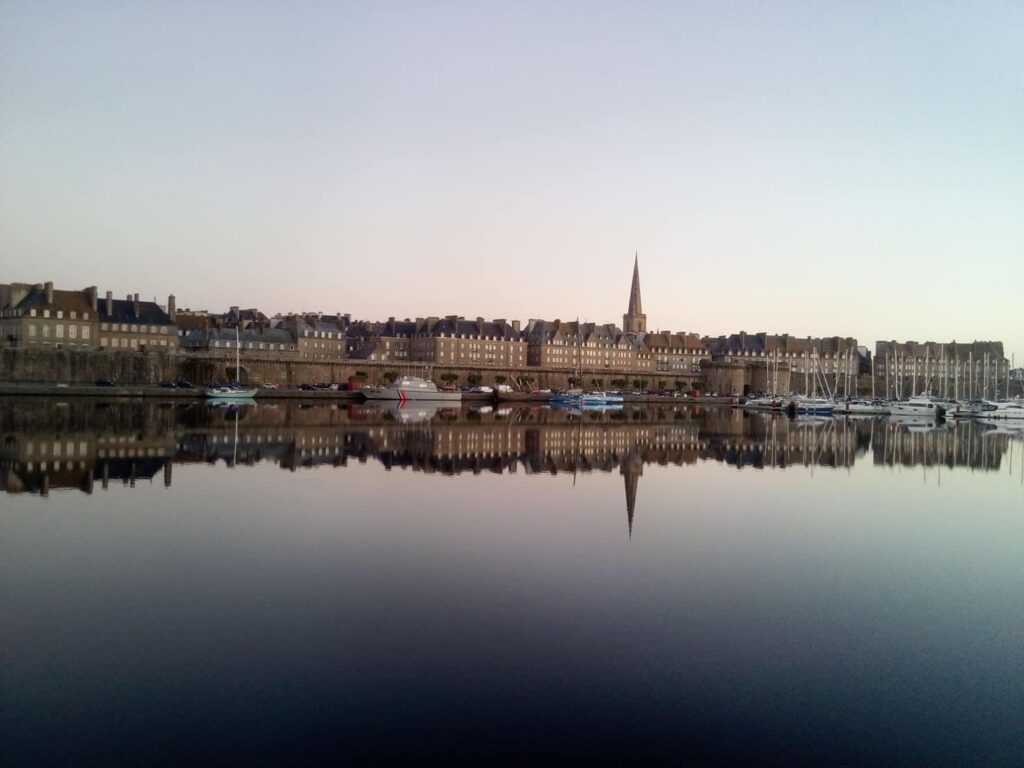
The highlight of any visit is the walk along the ramparts that encircle the old town. Construction began in the 12th century and the walls were extended over the following centuries. The loop takes about an hour at a gentle pace and offers views over the beaches, the islands, the port and the elegant granite mansions built by wealthy shipowners. The views are most dramatic at high tide, when the sea comes right up to the walls; on stormy days waves crash over the seafront.
Watch the Tides and Walk to the Islands
Saint-Malo has some of the largest tidal ranges in Europe, so the landscape changes completely within a few hours. At low tide you can walk across the sand to the island of Grand Bé, where the writer Chateaubriand is buried, and to Fort National, a fort built to plans by Louis XIV’s military engineer Vauban in the late 17th century. A little farther out, Fort du Petit Bé dates from the same era and also opens to visitors when the tide allows.
Always check the tide times (posted at the causeway and at the tourist office) before walking out. The tide comes in fast, and people are regularly caught out.
Explore the Old Town
Inside the walls, granite streets lead past shops, crêperies and bars to the Cathédrale Saint-Vincent, built between the 12th and 18th centuries and known for its modern stained glass. Much of the old town was destroyed in August 1944 during the fighting for the city and was carefully rebuilt in the following decades using the original granite style, so it looks historic even though many buildings are postwar. Enter through the Grand’Porte, the main gate with two massive towers, and follow Grande Rue up toward the cathedral.
Learn About the Corsairs
Saint-Malo grew rich on trade and on privateering: its corsairs, such as Robert Surcouf, were licensed by the king to attack enemy ships. The town still embraces that past. The Étoile du Roy, a replica of an 18th-century three-masted corsair frigate moored in the harbor, can be visited in season, and a new maritime history museum is being developed inside the walls (check its status before you go).
Enjoy the Beaches
The Grande Plage du Sillon stretches for about 3 km from the old town toward Paramé and Rothéneuf, with a long promenade that is ideal for a walk at any time of year. Right below the ramparts, Plage de Bon-Secours has a seawater swimming pool that is refilled by every high tide. Farther east, Paramé has 19th-century seaside villas and a seawater spa. See our guide to the best beaches near Saint-Malo for more.
Family Attractions
Saint-Malo is very family-friendly. The Grand Aquarium is one of the most popular attractions in Brittany, with sharks, touch pools and the Nautibus ride, which was reopened as an updated “Expédition Nautibus” experience. Children also love exploring rock pools at low tide and walking out to the forts.
Food and Drink in Saint-Malo
Food is a big reason to come. Brittany is the home of buckwheat galettes (savory crêpes) and sweet crêpes, and the old town is full of crêperies. La Touline, on Place de la Poissonnerie, is a small, popular crêperie with a terrace, and Bouche en Folie on Rue du Boyer is a friendly restaurant known for fresh seafood.
- Seafood: mussels, oysters from nearby Cancale, scallops in season and seafood platters.
- Breton butter: La Maison du Beurre on Rue de l’Orme, the shop of butter-maker Jean-Yves Bordier, is famous for flavored, hand-worked butters. Bring a cool bag if you want to take some home.
- Pastries: try kouign-amann, the rich, caramelized Breton butter cake, and far breton.
- Drinks: Breton cider, chouchen (a honey drink), craft beer and even Breton whisky are easy to find in the old town bars.
How Long to Spend in Saint-Malo
- One day: enough for the ramparts, the old town, a walk to Grand Bé at low tide and a seafood lunch.
- Two to three days: add the aquarium, the beaches and Paramé, a boat across the Rance to Dinard, and a trip to Dinan or Cancale.
- A longer stay: Saint-Malo makes a good base for Mont-Saint-Michel (about an hour by car) and the Emerald Coast.
For the abbey island, see our guide on whether Mont-Saint-Michel is worth visiting.
Getting There and Around
Saint-Malo is roughly an hour by car from Rennes, and regional trains link the two cities in about an hour. Direct TGV trains from Paris Montparnasse take around two and a half hours, though some services require a change in Rennes. Ferries also connect Saint-Malo with Portsmouth and the Channel Islands. The station is about a 20 to 30 minute walk from the old town, and local buses run between them.
If you come by car, use the large car parks outside the walls rather than trying to park inside the old town. In summer, the park-and-ride with shuttle buses is the least stressful option.
Day Trips and Boat Trips
When the tide allows, boats leave from near the old town for trips along the coast, around the forts and islands, or across the mouth of the Rance to Dinard, an elegant Belle Époque resort. Excursions up the Rance pass through the lock beside the tidal power station and continue toward the medieval town of Dinan. Cancale, famous for its oysters, and the Pointe du Grouin are short drives away.
Is Brittany Right for You?
If Saint-Malo appeals, the rest of the region probably will too. Read is Brittany worth visiting, find out what Brittany is known for and check our practical advice on whether Brittany is safe. Our Brittany travel guide covers more destinations.
Summary
Saint-Malo is worth visiting for its ramparts, tidal islands, corsair history, beaches and food. It suits couples, families and history lovers alike, and works as a day trip or as a base for exploring the Emerald Coast. Come in spring, early summer or September for the best balance of weather and crowds, check the tide times, and give yourself at least one full day.
