
Is Paris Expensive?
Yes, Paris is an expensive city to visit, especially for hotels, which are among the priciest in Europe. Eating out, drinks on café terraces and major attractions also add up quickly. But Paris is flexible: public transport is good value, many museums and sights are free, and bakeries, markets and set-menu lunches let you eat very well without spending much.
This guide breaks down what costs the most, where you can save, and how to plan a realistic budget. Prices change often, so we use cost levels and ranges rather than exact figures. Always check current rates before you book.
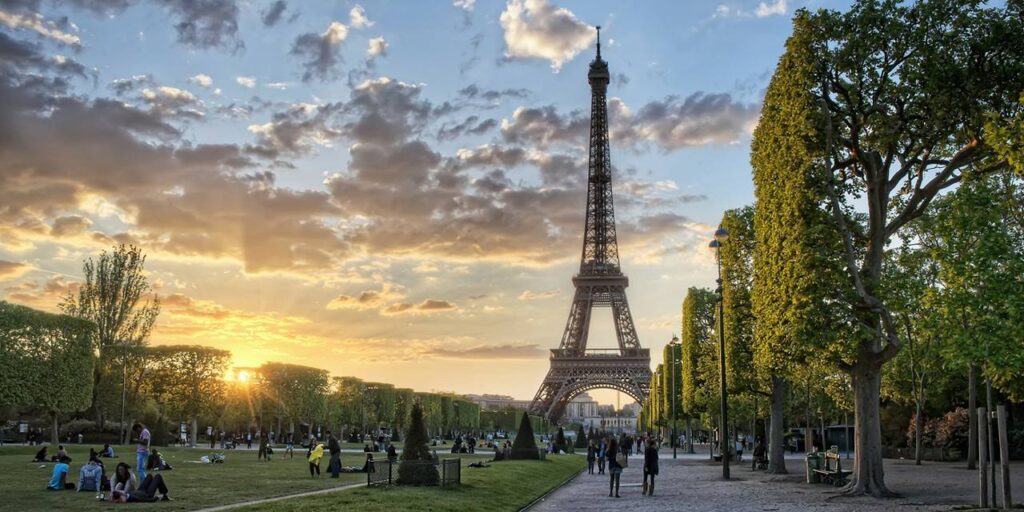
Paris Costs at a Glance
| Expense | Cost level | How to save |
|---|---|---|
| Hotels | $$$ (high, especially in central areas and peak season) | Book early, stay in outer arrondissements near a metro line, consider hostels |
| Restaurants (dinner) | $$–$$$ | Eat your main meal at lunch with a set menu (formule) |
| Cafés and drinks | $$ (terraces cost more) | Drink at the counter, look for happy hours |
| Bakeries and markets | $ | Picnic with bread, cheese and fruit |
| Public transport | $ | Walk, use the metro, buy a pass if you’ll travel a lot |
| Major attractions | $$ | Prioritize, look for free days and passes |
| Parks, churches, viewpoints | Free | Plenty of Paris costs nothing |
Accommodation: Your Biggest Expense
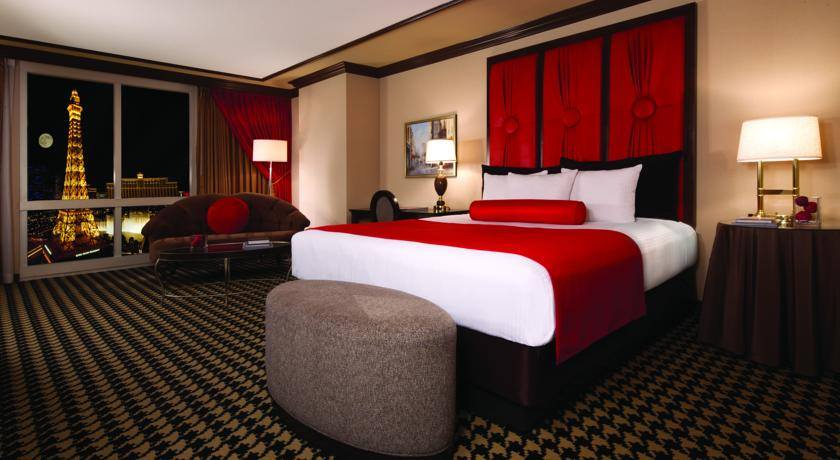
For most travelers, accommodation takes the largest share of the budget. Central neighborhoods such as Saint-Germain, the Marais and the areas around the Louvre and Eiffel Tower are the most expensive. Prices also rise sharply in spring, early summer, around major trade fairs and events, and over Christmas and New Year.
Rooms in Paris are often small for the price, especially in budget and mid-range hotels. A city tourist tax is added per person per night, and it’s higher for higher-category hotels, so factor it in when you compare rates.
Ways to Pay Less for a Bed
- Stay a little further out: the 10th, 11th, 12th, 13th, 14th, 15th, 19th and 20th arrondissements usually offer better value and are well connected by metro. Our guide on how to choose your hotel location in Paris explains the trade-offs.
- Book early: good-value rooms sell out first.
- Travel off-season: November to March (outside the holidays) is generally cheaper.
- Consider apartments: a rental with a kitchen helps you save on meals, but check that the listing is legally registered and look at cleaning fees.
Hostels
Hostels are the cheapest option, with dorm beds well below the price of any hotel room and many also offering private rooms. A few established choices:
- Absolute Hotel Paris République (formerly Absolute Paris Boutique Hostel): near Canal Saint-Martin and Place de la République.
- The People Paris Bercy: in the 12th arrondissement, known for its rooftop terrace.
- Beautiful Belleville Hostel & Hotel (formerly Beautiful City Hostel): in lively Belleville, with a social atmosphere.
For more options, see our list of the best budget hostels in Paris.
Hotels
Paris has everything from simple chain hotels to world-famous palaces. Chains such as Ibis offer predictable, budget-friendly rooms. Boutique hotels like Hôtel Design Secret de Paris (with a spa) or Hôtel de Castiglione near the Faubourg Saint-Honoré sit in the mid-to-upper range. At the top end, palace hotels such as the Shangri-La Paris, with its Eiffel Tower views, are a splurge rather than a value pick.
Getting to Paris
Flight costs depend entirely on where you start, the season and how far ahead you book. Paris is served by Charles de Gaulle and Orly airports, plus Beauvais for some low-cost airlines, which is far from the city. From London, Brussels and Amsterdam, the train is often faster door to door. Our guide on where to find the cheapest flights to France has more tips.
Budget for the airport transfer too. RER trains and buses are much cheaper than taxis, which charge fixed fares between the airports and central Paris.
Transportation in Paris
Getting around Paris is relatively affordable. Central Paris is very walkable, and the metro, RER, buses and trams cover the whole city. Paper tickets have been phased out, so most visitors load single tickets or passes onto a Navigo Easy card or use a phone app. Weekly Navigo passes and visitor passes can be good value if you’ll use transport a lot.
- Walking: free and often the fastest way to see central Paris.
- Metro and buses: low cost per ride; check current fares on the RATP website.
- Vélib’ bikes: the city’s bike-share system offers short-term passes.
- Taxis and ride-hailing: convenient but much more expensive.
See our public transport guide for Paris for how it all works.
Food and Drink Costs
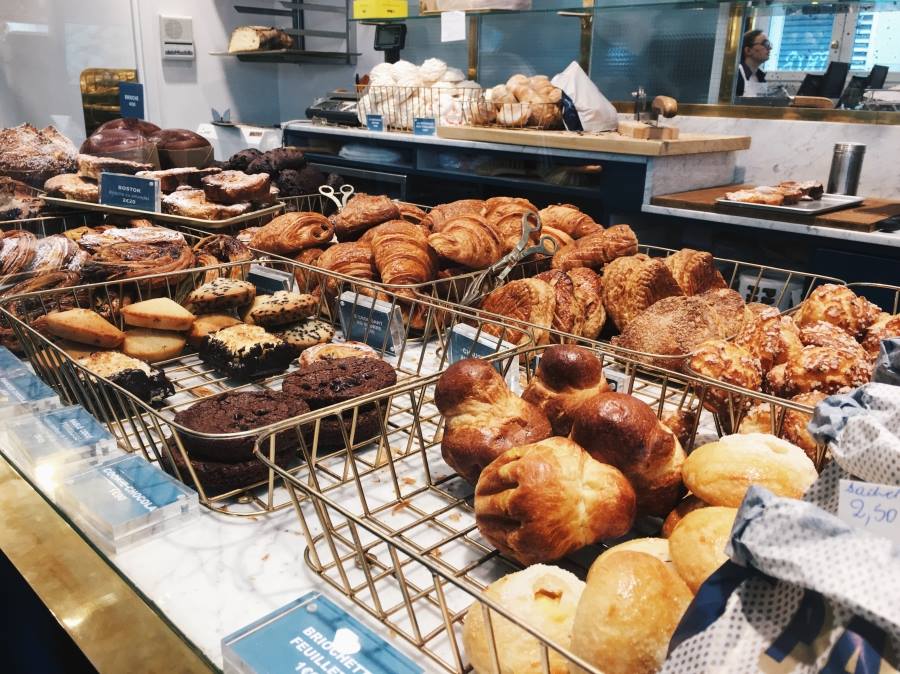
You can eat extremely well in Paris at almost any budget, but sit-down dinners and drinks in touristy areas push costs up fast.
| Type of meal or drink | Cost level |
|---|---|
| Croissant, baguette or sandwich from a bakery | $ |
| Supermarket or market picnic | $ |
| Crêpe, falafel or street food | $ |
| Set lunch menu (formule) in a bistro | $$ |
| Dinner in a traditional bistro with wine | $$–$$$ |
| Coffee at the counter vs. on a terrace | $ vs. $$ |
| Beer or glass of wine in a bar (outside happy hour) | $$ |
| Cocktail in a stylish bar | $$$ |
| Michelin-starred tasting menu | $$$$ |
Money-Saving Food Tips
- Make lunch your main meal: many restaurants offer a fixed-price lunch menu that costs much less than dinner.
- Ask for tap water: a carafe d’eau is free in restaurants.
- Shop markets and supermarkets: cheese, wine, fruit and bread are good value and perfect for picnics.
- Look for happy hours: many bars cut drink prices in the early evening.
- Avoid eating right next to major sights: walk a few streets away for better food and prices.
- Tipping: service is included in French bills, so tipping is small and optional. See how much to tip in France.
Attractions and Museums
Big-ticket sights like the Eiffel Tower, the Louvre, Versailles and Sainte-Chapelle each charge admission, and these costs mount up if your itinerary is packed. Some ways to keep them under control:
- Prioritize: choose the few paid sights you care about most.
- Use free options: Notre-Dame, Sacré-Cœur, the parks, the Seine banks and many churches are free to enter. The permanent collections of City of Paris museums such as the Musée Carnavalet and the Petit Palais are free.
- Check discounts: under-26s who are EU residents get free entry to many national museums, and some museums have free evenings or free days. The Louvre, for example, has free entry on the first Friday evening of the month except in July and August, and since 2026 charges non-EEA visitors a higher ticket price.
- Consider a pass: the Paris Museum Pass can save money and time if you plan several museum visits in a few days. Read is the Paris Museum Pass worth it before buying.
Sample Daily Budgets
| Travel style | What it looks like |
|---|---|
| Budget | Hostel dorm or simple room outside the center, bakery breakfasts, picnic lunches, walking and metro, mostly free sights |
| Mid-range | Three-star hotel, set lunch and bistro dinner, a couple of paid attractions a day, occasional drinks out |
| Luxury | Boutique or palace hotel, fine dining, taxis, guided tours and shows |
Whatever your style, accommodation will usually be the largest line in the budget, followed by food and attractions. For more ideas on stretching your money, see our guide to the best ways to save money in Paris.
Is Paris More Expensive Than Other Cities?
Paris is generally more expensive than most of France and southern or eastern Europe, and similar to other major Western European capitals such as London or Amsterdam, with hotels often the biggest difference. Compared with cities like Lyon or Lille, you’ll pay noticeably more for rooms and restaurants. If you’re weighing whether it’s worth the money, read is Paris overrated and is Paris worth visiting.
Summary
Paris is expensive, mainly because of hotel prices, restaurant dinners and paid attractions. You can cut costs a lot by staying outside the most central areas, traveling off-season, eating your main meal at lunch, picnicking, walking and using the metro, and mixing paid sights with the city’s many free ones. With some planning, Paris works for budget travelers as well as those ready to splurge.
