
Bordeaux Travel Guide
Bordeaux is one of France’s most rewarding cities to visit: an elegant 18th-century port on the Garonne River, the gateway to the world’s most famous wine region, and a lively, walkable city with great food. Plan two or three days for the city itself, plus at least one day for the vineyards of Saint-Émilion or the Médoc.
This Bordeaux travel guide covers the top sights, museums, food, where to stay, how to get around and the best day trips, so you can plan your trip with confidence.
Bordeaux at a Glance
- Where: southwest France, on a crescent-shaped bend of the Garonne, about 50 km from the Atlantic coast.
- Nickname: the Port of the Moon (Port de la Lune), after the shape of the river bend.
- UNESCO: a large part of the historic center was inscribed on the World Heritage List in 2007, and around 350 buildings are protected as historic monuments.
- Best for: wine lovers, architecture, food, city breaks and cycling.
- Time needed: 2–3 days in the city, 4–5 days with day trips.
For background reading, the Bordeaux page on Wikipedia gives a good overview of the city’s long history, from Roman Burdigala to three centuries of English rule and its golden age as a wine and colonial trading port. If you are still deciding, see is Bordeaux worth visiting?
Top Sights in Bordeaux
Place de la Bourse and the Miroir d’Eau
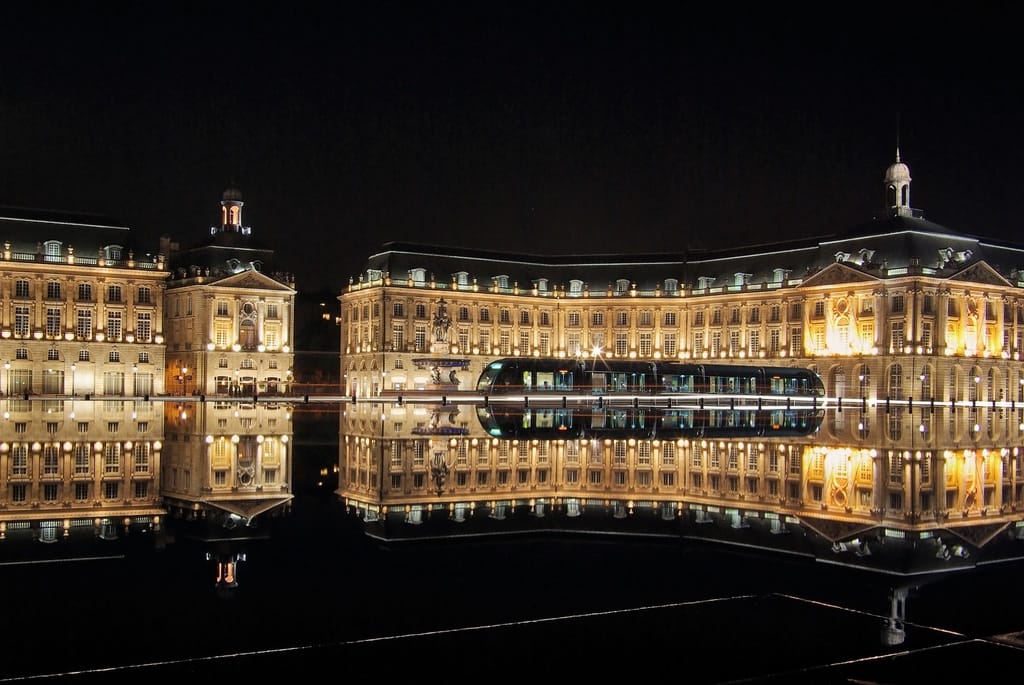
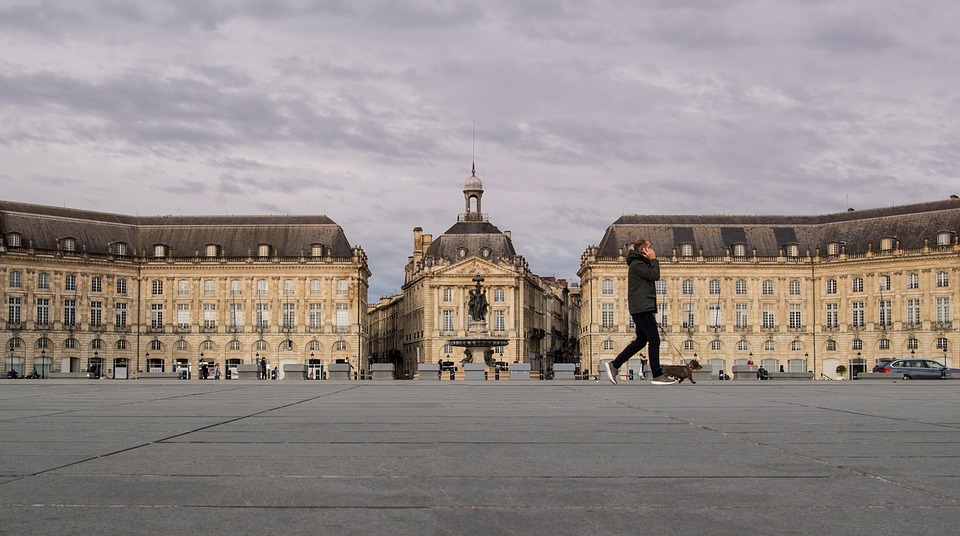
The grand Place de la Bourse, built in the 18th century, opens onto the river and is the city’s most photographed view. In front of it lies the Miroir d’Eau (Water Mirror), one of the largest reflecting pools in the world. A thin film of water, just a couple of centimeters deep, reflects the facades like a giant mirror, then periodically turns into a cool mist. It is free, great for kids on hot days and especially beautiful at sunset and after dark. It is usually switched off in winter.
The Quays and the Port of the Moon
The left bank quays have been transformed into a long riverside promenade with gardens, play areas and cycle paths, backed by a continuous line of 18th-century stone facades. Walk or cycle from the Pont de Pierre, the city’s first bridge over the Garonne, north to the Chartrons district and the modern Pont Jacques Chaban-Delmas lift bridge. A river trip is a great way to see it all; see our guides to Bordeaux boat tours and Bordeaux dinner cruises.
La Cité du Vin
Opened in 2016, the Cité du Vin is a striking, curvy museum dedicated to wine cultures around the world. Its interactive, multilingual exhibition takes a couple of hours, and the ticket includes a glass of wine in the belvedere at the top, with views over the river and the city. It is a fun introduction even if you are not a wine expert.
Grand Théâtre and Place de la Comédie
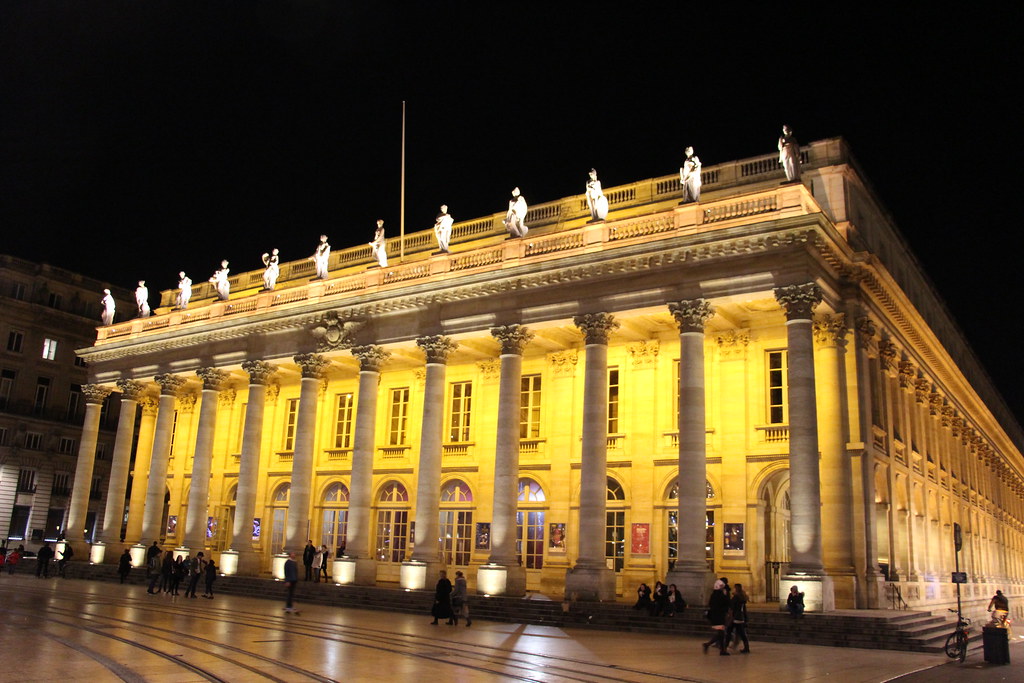
Designed by architect Victor Louis and inaugurated in 1780, the Grand Théâtre is one of the finest neoclassical buildings in France. Twelve statues of muses and goddesses crown its colonnade. Take a guided tour or, better, see an opera, ballet or concert by Opéra National de Bordeaux.
Cathedral Saint-André and Tour Pey-Berland
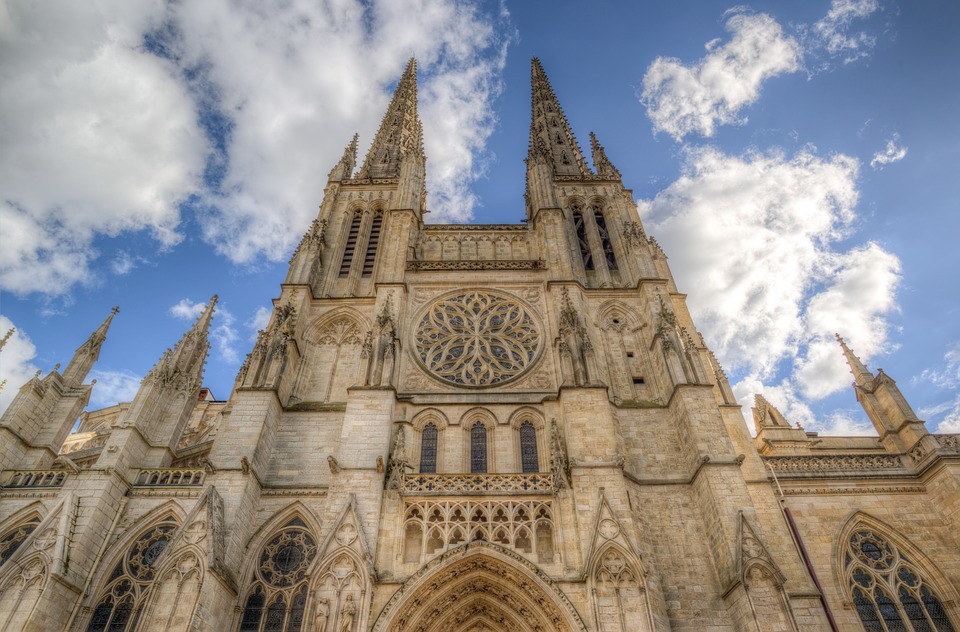
Bordeaux’s Gothic cathedral is where Eleanor of Aquitaine married the future King Louis VII of France in 1137. Look for the carved Royal Portal on the north side. The bell tower, Tour Pey-Berland, stands separately next to the cathedral; climb its steps for one of the best views over the city’s rooftops.
Basilica of Saint-Michel
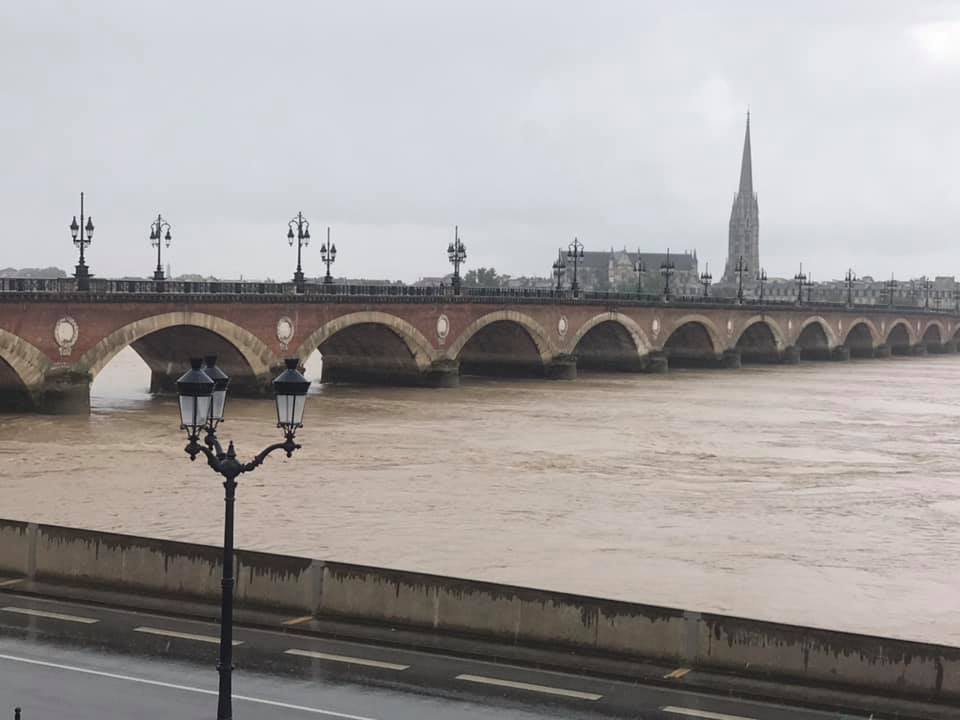
This Flamboyant Gothic basilica has a separate bell tower, known as La Flèche, which at about 114 meters is the tallest in southern France. The surrounding Saint-Michel neighborhood is multicultural and lively, with a flea market and food markets around the square.
Porte Cailhau and the Grosse Cloche
Two of Bordeaux’s old city gates survive in style. The Porte Cailhau, built in 1495, celebrates King Charles VIII’s victory at the Battle of Fornovo and can be climbed for river views. The Grosse Cloche, a 15th-century belfry with a huge bell, is one of the oldest belfries in France.
Place des Quinconces
One of the largest city squares in Europe, Place des Quinconces is home to the spectacular Monument aux Girondins, a fountain and column honoring the Girondin deputies of the French Revolution. Fairs and big events are held here throughout the year.
Place de la Victoire
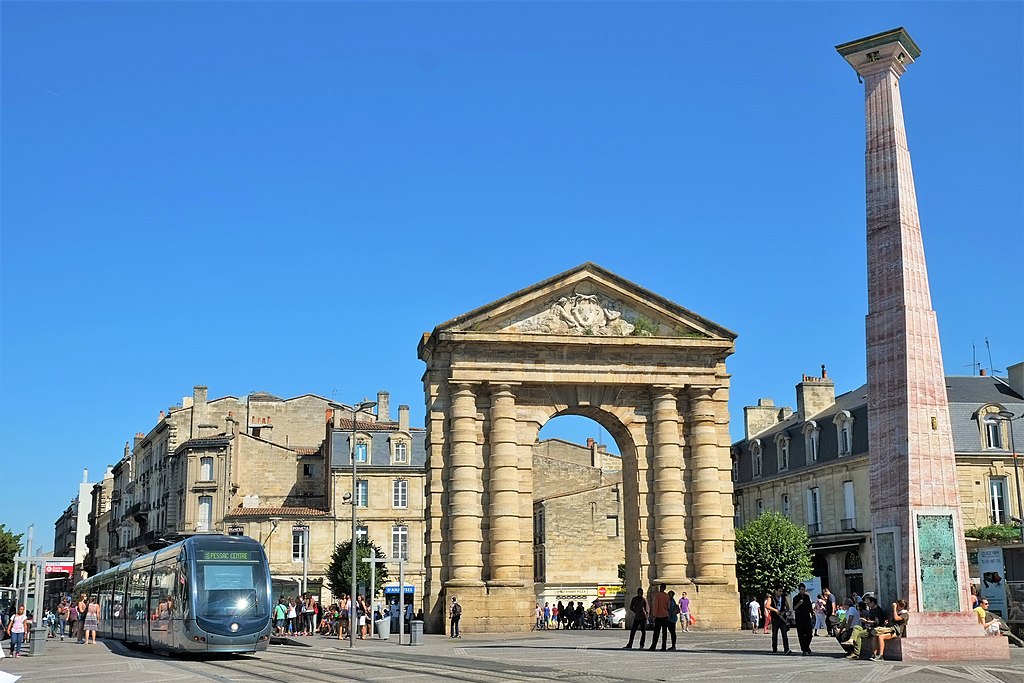
At the southern end of Rue Sainte-Catherine, this busy student square is surrounded by bars and cafés. Its centerpiece is a 16-meter red marble column by sculptor Ivan Theimer, installed in 2005 as a tribute to Bordeaux’s wine heritage, with two bronze tortoises at its base.
Jardin Public
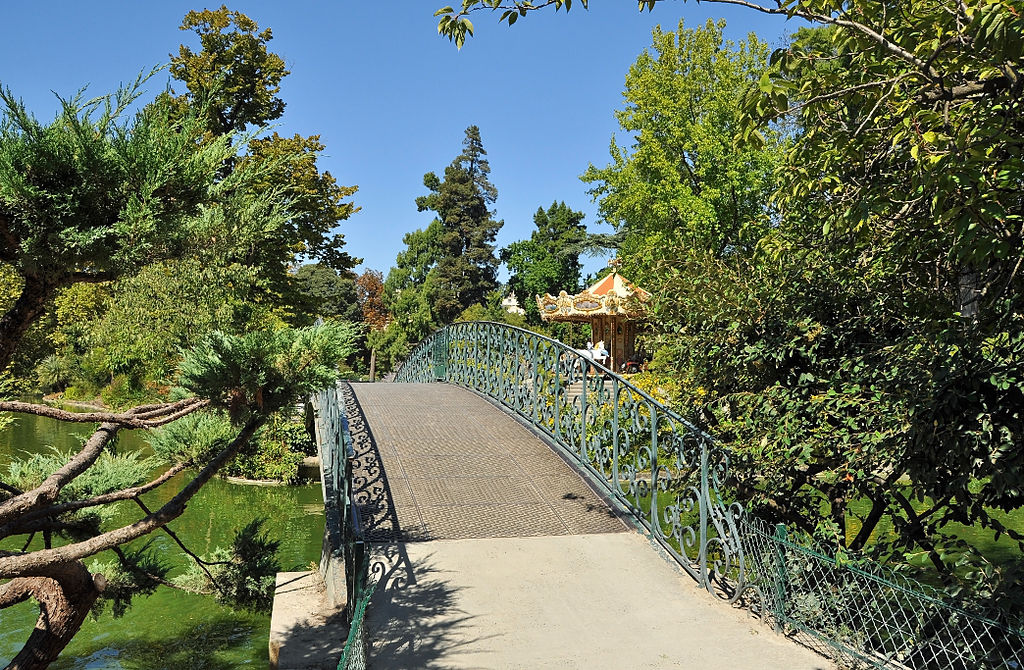
Created in 1746 and redesigned as an English-style garden in the 19th century, the Jardin Public is the city’s favorite green space, with a pond, lawns, a botanical garden and the natural history museum. It is ideal for a picnic or a break with kids.
Rue Sainte-Catherine
Running about 1.2 km from the Grand Théâtre to Place de la Victoire, Rue Sainte-Catherine is one of the longest pedestrian shopping streets in Europe. For more upscale boutiques, head to the Golden Triangle (Triangle d’Or) around Cours de l’Intendance.
For many more ideas, from street art to bookshops, see our full list of things to do in Bordeaux.
Museums Worth Your Time
- Musée d’Aquitaine: the history of Bordeaux and its region, from prehistory to the city’s role in the Atlantic slave trade.
- Musée des Beaux-Arts: European painting from the Renaissance to the 20th century, near the cathedral.
- Muséum de Bordeaux – Sciences et Nature: the natural history museum in the Jardin Public, great for families.
- CAPC: contemporary art in a dramatic former colonial warehouse in the Chartrons district.
- Bassins des Lumières: immersive digital art exhibitions inside a former World War II submarine base.
Opening days and exhibitions change, so check each museum’s website before your visit. The Bordeaux CityPass can save money if you plan to visit several sights and use public transport.
Wine Tasting in Bordeaux
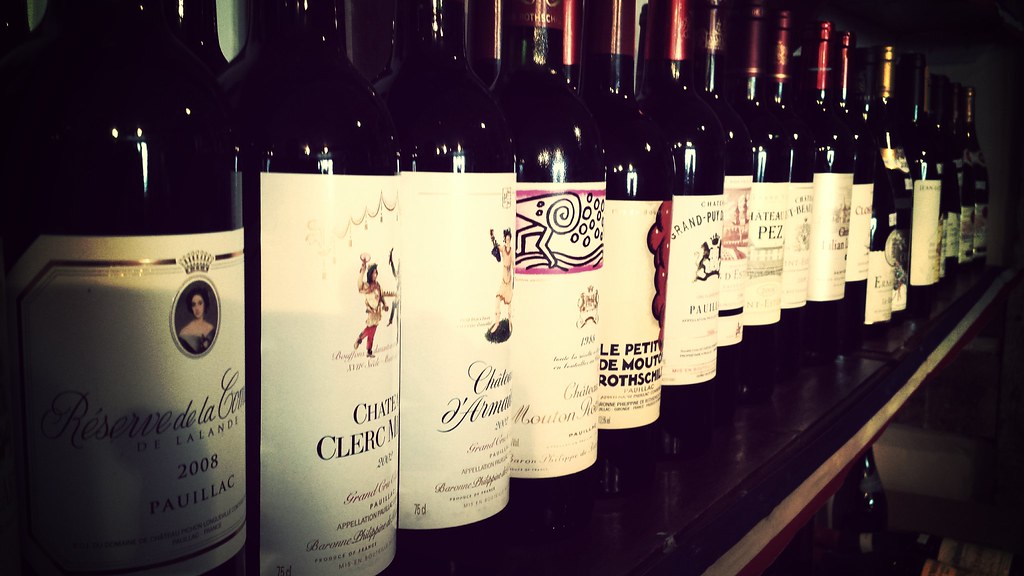
You don’t need to leave the city to start tasting. The Bar à Vin of the Maison du Vin de Bordeaux, run by the regional wine council, serves a wide selection of Bordeaux wines by the glass at reasonable prices. The Bordeaux tourist office, just across the street, sells half-day and full-day vineyard tours and can provide maps and advice.
For château visits, the main options are:
- Médoc: the famous left bank estates along the Route des Châteaux, including Margaux, Pauillac and Saint-Julien.
- Saint-Émilion: a UNESCO-listed medieval village surrounded by vineyards, about 45 minutes away.
- Graves and Sauternes: just south of the city, known for dry whites, reds and sweet wines.
- Entre-Deux-Mers: rolling countryside between the Garonne and Dordogne rivers.
Many estates require advance booking, especially the famous ones. If you won’t have a car, a guided tour is the easiest way to visit. Read more in our guides to the best wine tours in France and the best wine regions to visit in France.
What to Eat in Bordeaux
- Canelés: small caramelized pastries flavored with rum and vanilla, the city’s signature treat.
- Entrecôte à la bordelaise: rib steak with a red wine and shallot sauce.
- Lamproie à la bordelaise: lamprey stewed in red wine, a traditional local dish.
- Arcachon Bay oysters: served fresh with a glass of white Bordeaux.
- Duck and foie gras from southwest France.
The Marché des Capucins, nicknamed the belly of Bordeaux, is the best place for oysters, cheese and a market lunch, especially on weekend mornings. For a sit-down meal, a few long-standing addresses include:
- La Tupiña: a famous rustic restaurant near the river, known for southwest French cooking over an open fire.
- Le Pavillon des Boulevards: a refined Michelin-starred restaurant serving modern French cuisine; book ahead.
- Le Mably: a classic bistro with a traditional setting in the city center.
Restaurant hours and menus change, so check before you go and reserve for dinner on weekends.
Nightlife
Bordeaux has an energetic nightlife thanks to its large student population. Popular areas include:
- Saint-Pierre: narrow streets with wine bars and terraces in the old town.
- Place de la Victoire: cheap and cheerful student bars.
- Chartrons and the quays: wine bars and cocktail spots by the river.
- Quai de Paludate: the main clubbing strip near Gare Saint-Jean, busy until late.
For a night at the opera or a concert, check the program at the Grand Théâtre and the city’s other venues. Casino fans can head to the Casino Barrière in the Bordeaux-Lac area north of the center; bring photo ID.
Where to Stay in Bordeaux
| Area | Why stay there |
|---|---|
| Triangle d’Or / Grand Théâtre | Central, elegant, close to shops and top sights |
| Saint-Pierre | Historic old town, bars and restaurants on the doorstep |
| Chartrons | Antiques, wine bars and a village feel by the river |
| Saint-Michel | Lively and good value, a little rougher at night |
| La Bastide (right bank) | Quieter, cheaper, with views back across the river |
| Near Gare Saint-Jean | Convenient for trains, less charming; check reviews |
Upscale options include the Yndo Hotel, a boutique hotel in an 18th-century mansion. Wherever you stay, being near a tram stop makes getting around easy. Compare costs in is Bordeaux expensive?
Getting to Bordeaux
- By train: high-speed TGV trains from Paris Montparnasse reach Bordeaux Saint-Jean in about two hours. See how to get from Paris to Bordeaux.
- By plane: Bordeaux-Mérignac Airport has flights across France and Europe. Tram line A and airport shuttle buses link it to the city.
- By car: the A10 links Bordeaux to Paris and the A63 to Spain. Parking in the center is expensive; use park-and-ride lots at tram terminals.
Getting Around
The historic center is compact and flat, so walking is the best way to explore. The TBM network runs trams, buses and the BatCub river shuttle boats, which double as a cheap way to see the city from the water. Bordeaux is also one of France’s most bike-friendly cities, with cycle lanes along the quays and a public bike-share system.
Day Trips from Bordeaux
- Saint-Émilion: medieval village, monolithic church and world-class vineyards.
- Arcachon Bay and the Dune du Pilat: oysters, beaches and Europe’s tallest sand dune.
- The Médoc: grand châteaux along the Gironde estuary.
- Atlantic beaches: surf towns like Lacanau; see our guide to the best beaches near Bordeaux.
- Cognac: brandy houses about two hours away by car.
When to Visit Bordeaux
Late spring (May–June) and early autumn (September–October) are the best times to visit, with pleasant temperatures and the vineyards at their prettiest. September and October are harvest season, an exciting time in wine country, though some châteaux limit visits. July and August are hot and busy but lively with outdoor events. Winter is quiet, mild and cheaper, but some vineyard tours run on reduced schedules.
Safety and Practical Tips
- Bordeaux is generally safe; watch for pickpockets on trams, around Gare Saint-Jean and in crowded areas. Read is Bordeaux safe? for details.
- Book vineyard visits and popular restaurants in advance, especially in summer and at harvest.
- Many smaller restaurants close on Sundays and Mondays.
- In an emergency, call 112.
Summary
Bordeaux combines grand 18th-century architecture, a revitalized riverfront, outstanding food and easy access to legendary vineyards. Spend two or three days exploring the Place de la Bourse, the Cité du Vin, the old town and the Chartrons district, then head out to Saint-Émilion, the Médoc or Arcachon Bay. Whatever the season, it is a city that rewards curious travelers. To dig deeper, read what Bordeaux is known for.
