
Is Lyon Safe?
Yes, Lyon is generally a safe city for tourists. Violent crime against visitors is rare, the main sightseeing areas are busy and well policed, and millions of travelers visit every year without problems. The main risks are the same as in any large European city: pickpocketing in crowded places and on public transport, occasional scams, and a few areas that are best avoided late at night.
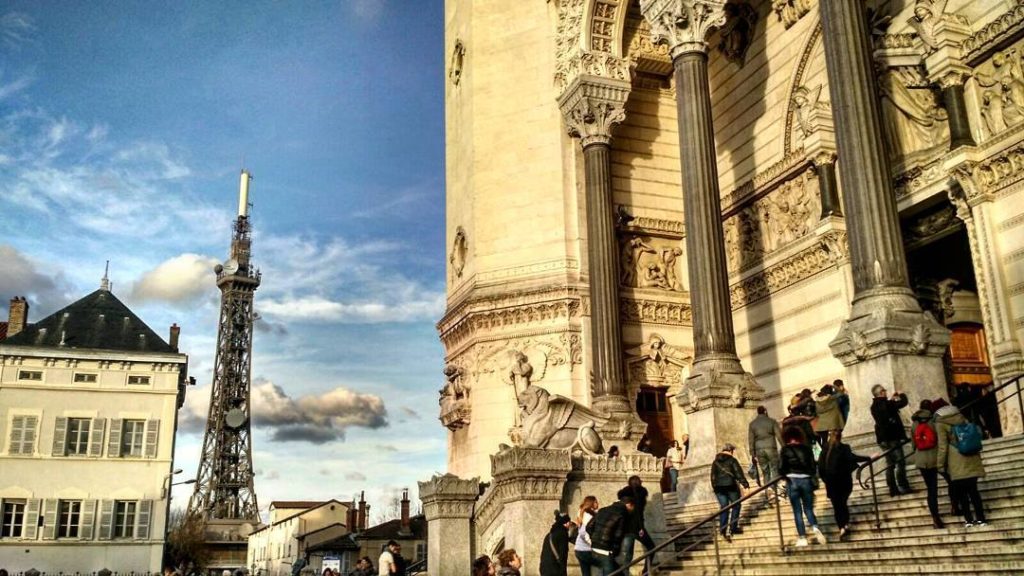
This guide covers the real risks, the neighborhoods to be aware of, transport safety, common scams and practical tips. For trip planning, see our Lyon travel guide.
Overall safety in Lyon
Lyon is France’s third-largest city, with more than half a million inhabitants and a much larger metropolitan area. Like Paris or Marseille, it has neighborhoods with social problems, but they are mostly away from the tourist center. The Presqu’île, Vieux Lyon, Fourvière, Croix-Rousse and Confluence are popular with locals and visitors day and night and feel safe for most travelers.
| Risk | Level | What to know |
|---|---|---|
| Pickpocketing | Moderate | Crowded spots, metro, stations, festivals |
| Scams | Low to moderate | Petitions, fake charity collectors, street tricks |
| Violent crime | Low | Rare in tourist areas; avoid confrontations at night |
| Transport | Low | Safe and efficient; watch bags at busy stations |
| Solo women travelers | Low | Normal big-city precautions |
| Natural hazards | Low | Summer heatwaves, occasional river flooding |
Before you travel, check your government’s official travel advice for France, such as the US State Department or the UK Foreign, Commonwealth and Development Office, as advisories are updated regularly.
Areas to be careful in
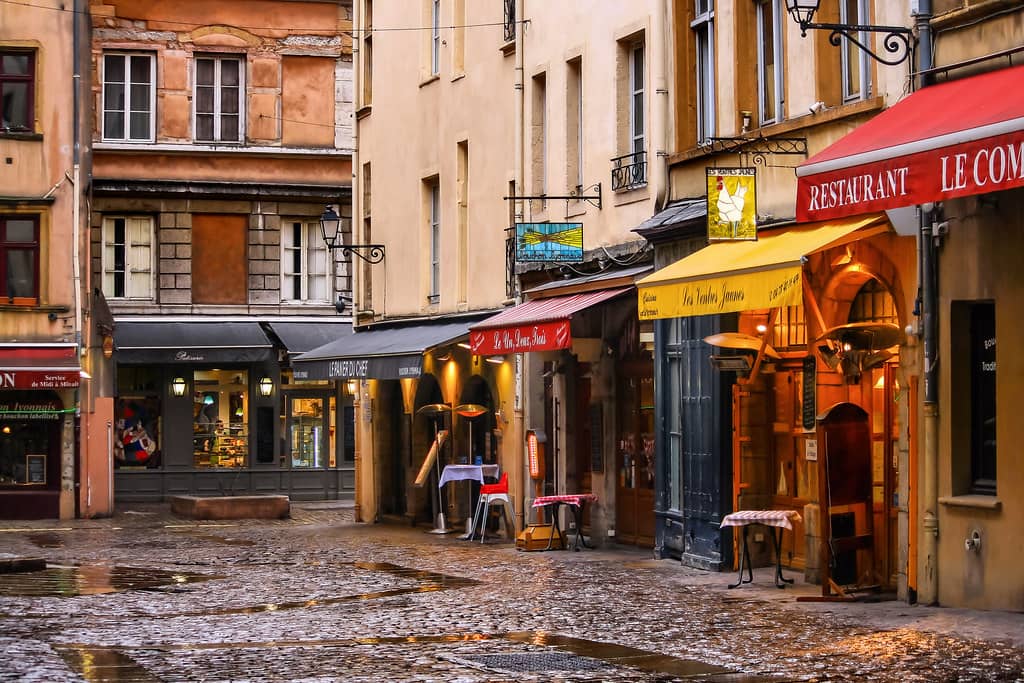
No central area of Lyon is off-limits, but a few spots call for extra attention, especially at night:
- Vieux Lyon: perfectly safe to visit, but its narrow, crowded lanes attract pickpockets during the day and on busy weekend evenings. Keep bags closed and in front of you.
- Rue Sainte-Catherine and the area around Place des Terreaux late at night: a lively bar street that can get rowdy, with occasional drunken fights in the early hours.
- La Guillotière (around Place Gabriel Péri): a vibrant, multicultural area with good food, but known for street dealing and petty theft. Stay alert, especially after dark.
- Part-Dieu and Perrache stations: busy transport hubs where bag snatching and pickpocketing happen. Keep an eye on your luggage.
- Outer suburbs: some peripheral districts have higher crime rates, but they are not on the tourist trail.
Pickpockets and petty theft
Pickpocketing is the most likely problem you will face. Thieves often work in groups and target distracted tourists in crowded places: Vieux Lyon, the funiculars, metro carriages, Part-Dieu shopping center and station, and big events such as the Fête des Lumières in December, which draws enormous crowds.
- Use a cross-body bag with a zip and keep it in front of you.
- Do not keep your phone or wallet in a back pocket.
- Keep your phone in your hand or a closed bag, not on a café table.
- Leave your passport in the hotel safe and carry a copy, unless you need the original.
- Be careful when someone bumps into you or asks you a question while a friend stands close.
Common scams
Scams in Lyon are less common than in Paris, but you may still encounter:
- Petition scams: someone asks you to sign a petition for a charity or for disabled people, then demands a donation, while an accomplice may pick your pocket.
- Fake charity collectors: people with clipboards or brochures pushing for cash donations.
- The gold ring trick: someone “finds” a ring and offers to sell it to you.
- Fake or used tickets: only buy transport tickets from official TCL machines, counters or the official app.
If something feels off, simply say “non, merci” and keep walking. For more advice, see our guide to the most common tourist scams and how to avoid them.
Public transport and taxi safety
Lyon’s metro, trams, buses and funiculars are safe and widely used, including in the evening. Validate your ticket every time you board, as inspectors check regularly and fines are issued on the spot. Strikes can occasionally disrupt services, so check the TCL website or app if there is news of industrial action.
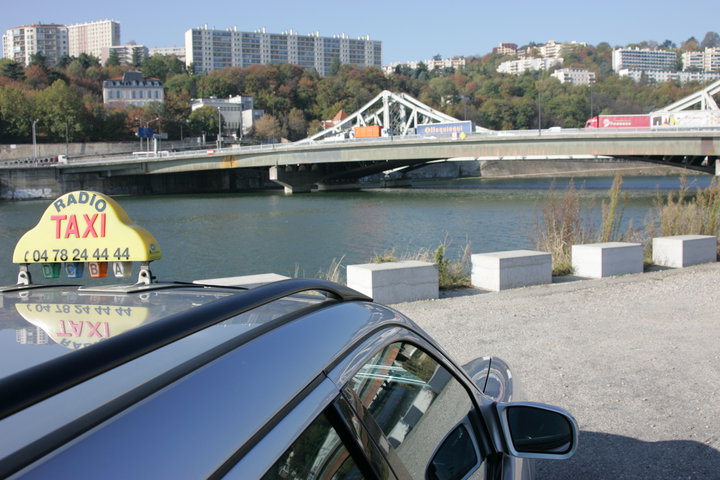
Taxis are safe but relatively expensive. Use official taxis from ranks or booked by phone or app, rather than accepting rides from people who approach you at stations or the airport. Ride-hailing apps also operate in Lyon.
Road safety
Lyon is very walkable, but take care when crossing streets. Some roads that look one-way have bus and taxi lanes running in the opposite direction, so look both ways. Watch out for bikes and e-scooters on cycle paths and pavements. If you drive, expect dense traffic and expensive, limited parking in the center; public transport is usually the better option.
Is Lyon safe at night?
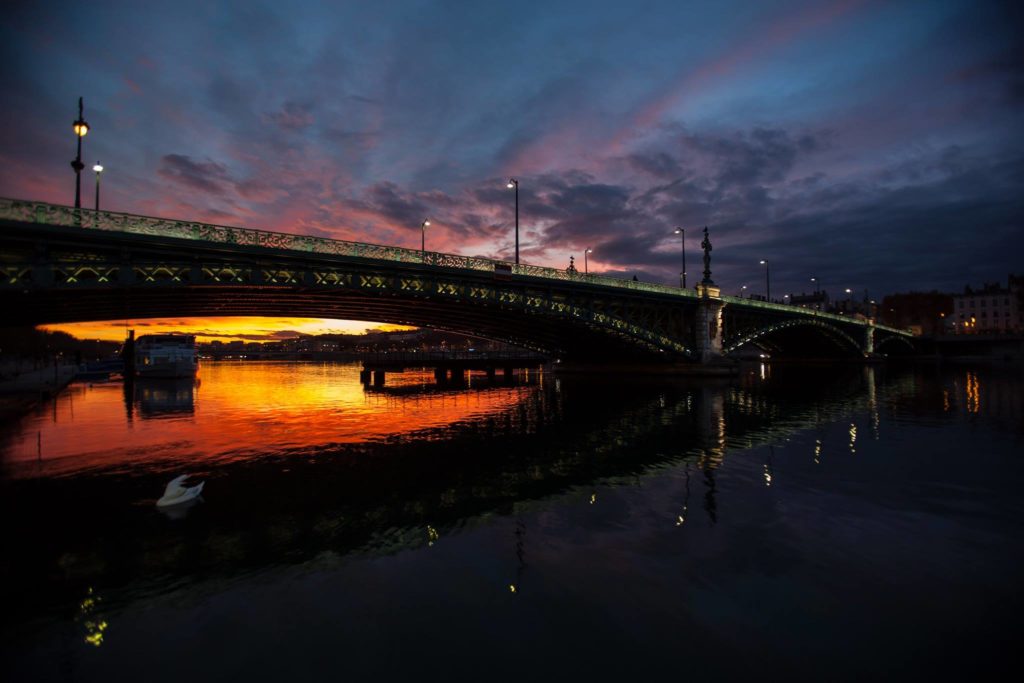
The central areas of Lyon are lively and generally safe in the evening, with plenty of people around in Vieux Lyon, the Presqu’île and along the river quays. As in any city, stick to well-lit, busy streets, avoid deserted riverbanks and parks very late at night, and be aware of your surroundings when leaving bars. Take a taxi or ride-hail back to your hotel if you are unsure of the route.
Safety for solo and women travelers
Lyon is a good city for solo travel, including for women. Use the same precautions you would at home: watch your drink in bars, avoid walking alone in empty areas late at night, and trust your instincts. Unwanted attention or street harassment can happen; firmly ignoring it and moving to a busier place is usually the best response.
Terrorism and other risks
Like the rest of France, Lyon is subject to the national Vigipirate security plan, so you may see armed soldiers or police at stations and major sites, and bag checks at museums, shopping centers and events. This is routine. Follow any instructions from security staff and keep an eye on official advice.
Natural hazards are limited. Summers can bring intense heatwaves, so carry water, wear sunscreen and a hat, and plan indoor visits in the hottest hours. The Rhône and Saône occasionally flood after heavy rain, which can close riverside paths and boat services.
Emergency numbers
- 112: European emergency number (works from any phone)
- 17: police
- 15: medical emergencies (SAMU)
- 18: fire brigade
If your passport is stolen, report it to the police and contact your embassy or consulate.

Summary
Lyon is a safe destination for most travelers. Petty theft is the main concern, so protect your belongings in crowded places like Vieux Lyon, the metro and the main stations, be cautious in La Guillotière and around bar streets late at night, and ignore petition and charity scams. With basic big-city awareness, you can focus on enjoying the food, history and atmosphere. Next, see our list of things to do in Lyon or find out whether Lyon is expensive. For excursions beyond the city, see the best day trips from Lyon.
